Protect and Enhance Your Deck: Expert Deck Staining Services You Can Trust
When it pertains to maintaining a deck, professional staining services offer a dependable option. These professionals understand the intricacies of various wood types and local climates, ensuring optimal protection and aesthetics. By choosing experienced experts, homeowners can prevent typical mistakes and preserve valuable time. However, selecting the right service can be daunting. Understanding what to look for is crucial to attaining lasting results. The path to a beautifully stained deck begins here.
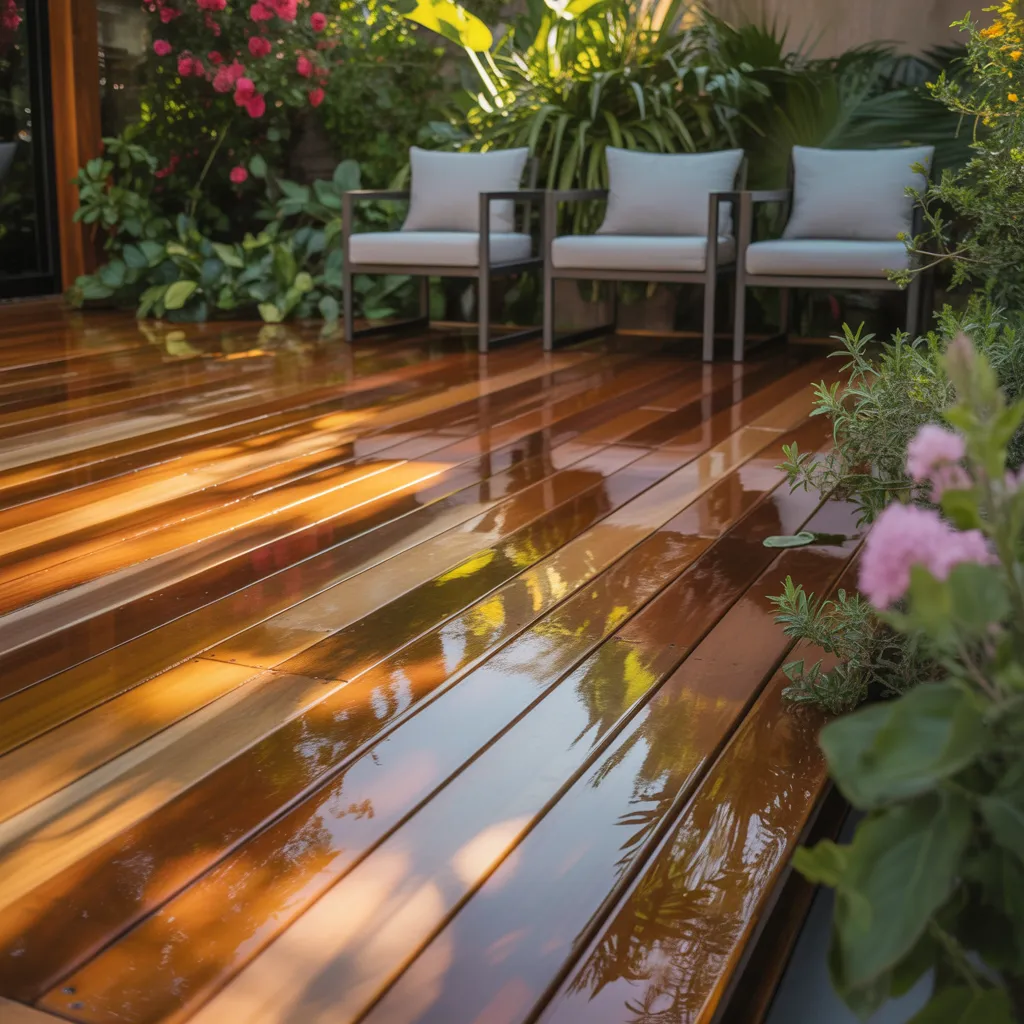
Why It's Essential to Engage Specialists for Staining Your Deck
When planning deck staining, homeowners commonly miss the benefits of hiring professionals. Employing specialists guarantees a higher quality finish, since they have the adequate skills and experience to tackle diverse wood types and conditions. Professionals understand the intricacies of selecting the correct stain, taking into account factors like wood porosity and local climate. Moreover, they have access to professional tools and equipment that make the process more productive and effective.
Moreover, trained specialists can save homeowners time and effort, allowing them to concentrate on other priority responsibilities. They are also proficient regarding safety measures, lowering the risk of accidents during the staining process. By utilizing professionals, homeowners can obtain permanent outcomes that strengthen their deck's appearance and structural integrity. Ultimately, the outlay in professional expertise can bring about a beautifully stained deck that not only looks appealing but also provides lasting protection against the weather conditions for the long term.
Prevent These Routine Deck Stain Application Oversights Before You Embark
Many homeowners commit critical errors when dealing with deck staining, often leading to unsatisfactory outcomes. A common fault is neglecting proper surface prep. Not cleaning the deck thoroughly traps dirt and debris, which keeps the stain from adhering properly. Another error is selecting the wrong type of stain; choosing an oil-based stain when a water-based product is needed results in peeling and uneven coverage. Moreover, staining in direct sunlight is not recommended because the stain dries too fast, causing blotches. Many fail to apply multiple thin coats instead of one thick coat, which can reduce durability. Lastly, failing to allow enough drying time between coats causes issues with the finish’s integrity. Avoiding these pitfalls ensures homeowners a more effective and durable deck staining project.
Things to Know About Deck Staining
When considering deck staining, individuals can expect a extensive preparation process that includes surface cleaning to guarantee optimal results. Following this, the staining process involves applying the chosen product evenly for a lasting finish. Understanding these steps can help establish realistic expectations for the project.
Preparation and Exterior Cleaning
interfere with the staining process. It's vital that the surface is dry before applying any stain to establish proper absorption. Additionally, any deteriorated planks or loose nails should be addressed
The Staining Procedure Overview|Staining Method Guide|An Explanation to the Pigmentation Application|Tinting Method Fundamentals|Learning about the Coloring Procedure
The deck coloring procedure unfolds through a sequence of clear steps that ensure a smooth and efficient application. At first, the expert team inspects the deck for any flaws or areas requiring repair.|At first, the expert team inspects the deck for any defects or areas in need of repair.|At first, the professional team inspects the deck for any damage or areas that need fixing.|Initially, the professional team reviews the deck for any problems or areas needing repair. Once the surface is confirmed to be clear and dry, they choose a high-quality stain fitting for the wood type and preferred finish. The application begins with edging, followed by rolling or spraying the stain evenly across the deck boards.|Applying the stain starts with edging, followed by rolling on or spraying the stain evenly over the deck boards.|Application begins with edging, then rolling or spraying the stain evenly across the deck boards.|Applying the stain starts with edging, followed by rolling or spraying the stain evenly over the deck boards. Attention is given to prevent puddling and guarantee uniform coverage. After the first coat is dry, a second coat might be applied to enhance protection and deepen the color. Ultimately, the team delivers recommendations on drying durations and care, ensuring the deck remains beautiful and well-preserved for years ahead.
Tips for Finding the Ideal Deck Staining Service for Your Requirements
Picking the most suitable decking stain company can seem overwhelming, especially when numerous alternatives exist. To make a sound decision, homeowners should begin by exploring area businesses and reviewing customer reviews. A reliable service will have a showcase highlighting their previous work, helping potential clients to evaluate style and quality.
Next, it's important to ask about the kinds of stains and protective sealers employed, as well as the application techniques employed. This assures that the chosen service aligns with the homeowner's expectations for resilience and visual appeal. Additionally, obtaining multiple quotes can provide clarity on rates and quality.
Finally, evaluate the company's experience and whether they offer guarantees for their services. Choosing a service with a strong reputation and clear dialogue will ultimately result in a more satisfying deck staining experience. By adhering to these steps, homeowners can assuredly select a service discover more that fulfills their needs and improves their outdoor space.
The Advantages of Using Superior Quality Stains and Sealants
Investing in high-quality stains and sealants can greatly enhance the longevity and appearance of a deck. These high-grade products provide crucial protection against water, UV rays, and temperature variations, which can lead to wood distortion and decay over time. By forming a strong barrier, premium stains and sealants help to prevent mold and mildew growth, ensuring a more spotless surface that is less difficult to maintain.
Moreover, premium stains often contain pigmentation that elevate the wood's natural beauty, brightening colors and emphasizing visible grain. This not only strengthens the overall appearance but also adds value to the dwelling. Superior-grade products typically offer better adherence and improved longevity, reducing the number of refinishing cycles. Ultimately, picking these quality products can facilitate major budget savings in preventative expenses while preserving the deck's structural integrity and decorative appeal. Investing in quality is a smart decision for any resident looking to protect their outdoor space.
How Frequently Should You Re-Stain Your Deck?
How often should homeowners plan to re-stain their decks? Usually, it is suggested to re-stain a deck every two to three years, although several factors can influence this timing. The type of wood, climate conditions, and stain quality all have crucial roles in determining the necessary frequency. In locations with harsh weather, like intense sunlight or heavy rain, more frequent re-staining may be required to protect the wood from damage. Homeowners should also look out for signs of wear, such as discoloration or water absorption, which signal that the protective layer has diminished. Regular maintenance inspections can help in evaluating these conditions, ensuring that the deck remains in excellent shape. Ultimately, staying proactive about re-staining can lengthen the deck’s lifespan and preserve its beauty, making it a worthwhile investment for homeowners.
Strategies for Preserving Your Newly Colored Deck Looking Great
To ensure a newly stained deck maintains its beauty and longevity, homeowners should adopt a few essential care practices. Frequent maintenance is crucial; using a brush or leaf blower to eliminate debris stops mold and mildew buildup. A gentle wash with soapy water can remove dirt without harming the stain.
Property owners should similarly refrain from using abrasive chemical products, as these can erode the protective layer. Instead, opting for a balanced pH cleanser will maintain the stained surface.
In addition, setting mats at entry points decreases dirt and moisture tracked onto the deck. This simple step can meaningfully extend the life of the stain.
In conclusion, frequent assessments for symptoms of wear or color fading allow for immediate upkeep, ensuring the deck persists as vibrant and well-protected. By observing these directives, homeowners can delight in a remarkable and sturdy deck for years to come.
Regularly Questioned FAQs
What Duration Should You Anticipate for Deck Staining to Finish?
Staining a deck typically requires 1-2 days to complete, subject to the dimensions of the deck and weather conditions. Sufficient prep work and cure time are critical for attaining superior results and finish durability.
Is It Possible to Paint My Deck Following Wet Weather?
It is inadvisable to stain a deck immediately after rain. Surfaces need to be completely dry to guarantee correct bonding and absorption of the stain, typically requiring a wait of 24 to 48 hours after rainfall.
What Readiness Is Called For Before Staining My Deck?
Before you stain a deck, one must clean it thoroughly, ensuring all dirt and debris are removed. Let the surface completely dry and examine for damage or loose boards that may need repair.
Are there eco-friendly finishing options available?
Yes, numerous eco-friendly coloring solutions exist, including water-based finishes and those created with plant-based oils. These materials reduce harmful chemicals, rendering them gentler on the ecosystem while reliably maintaining and upgrading the deck appearance.
Will Treating My Deck Block Mold and Fungal Issues?
Applying stain to a deck can substantially reduce the risk of mold and mildew by forming a protective barrier against moisture. This barrier helps keep the wood dry, discouraging the growth of unwanted fungi and ensuring longevity.